


Benefits of Switching to Plant-Based Cleaning Products

Key Benefits of Plant-Based Cleaning Products
If your current cleaning routine leaves the house smelling like harsh chemicals, you’re not imagining it. A lot of traditional cleaning products rely on harmful chemicals to “feel” powerful, even when you don’t need that level of punch for everyday mess.
Switching to plant based cleaners is a simple change that supports a healthier home, cuts down exposure to toxic residues, and helps you clean without filling your space with heavy chemicals. You still get that sparkling clean finish on surfaces - just with a different approach.
This guide breaks down the real benefits, the myths, and how to build a plant-first product cupboard that works for real life (kids, pets, bathroom grime, greasy pans, and everything in between).
Safer for Your Family’s Health
A home is where you cook, eat, relax, and let your guard down. When you clean with non toxic cleaning products made with plant based ingredients and natural ingredients, you reduce the amount of unnecessary residue that lingers on counters, taps, tables, and high-touch areas.
That matters if you have little ones crawling on the floor, anyone with sensitive skin, or you simply prefer a home that smells clean without smelling “chemical”. Many people switch because they want fewer irritants in the air and less contact with stronger bleach-style formulas for everyday jobs.
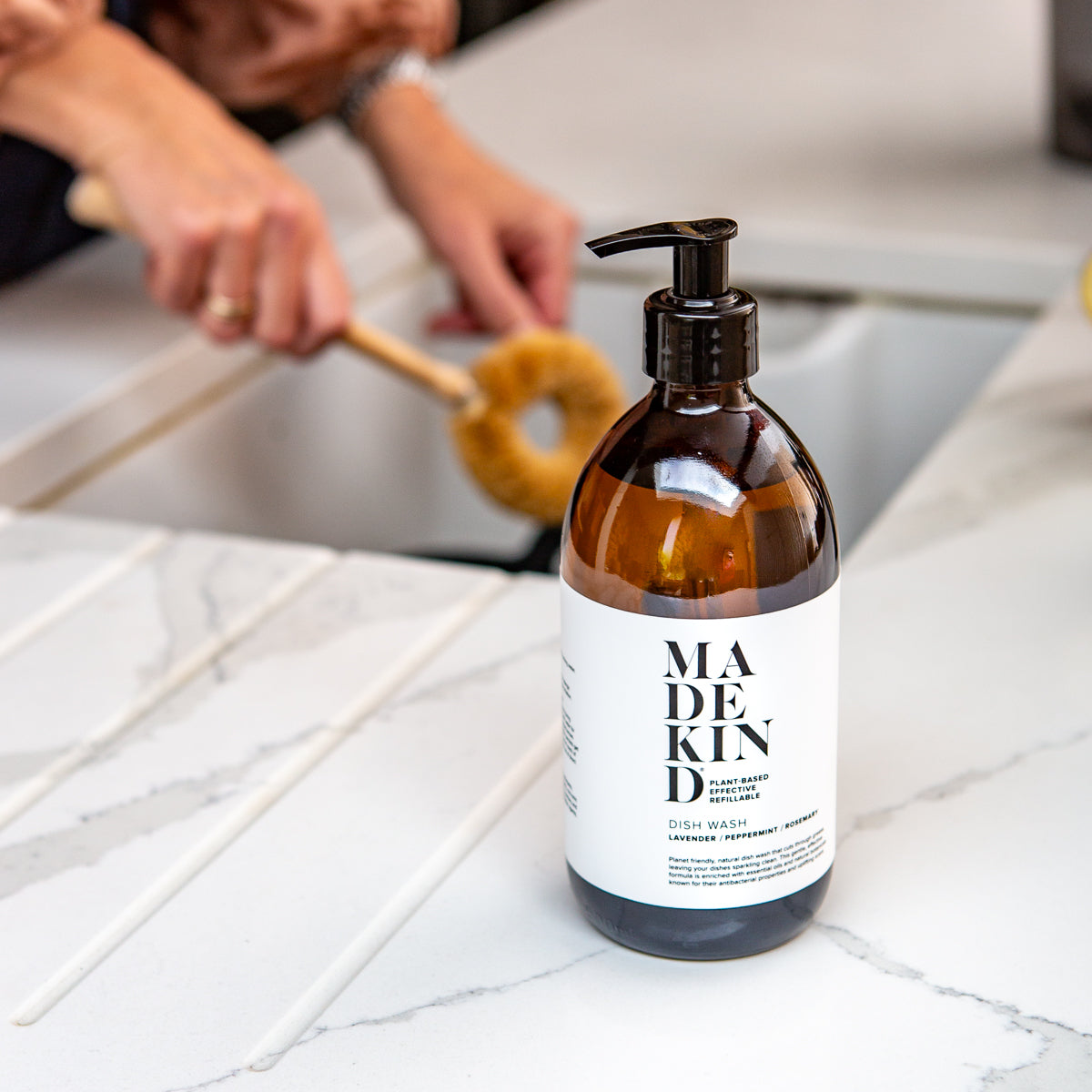
You can keep it practical, too. A good bathroom cleaner for tackling soap scum and limescale, a dependable washing up liquid for dishes, and a multi-surface spray handle most daily mess without going nuclear.
Eco-Friendly and Biodegradable
A lot of the shift comes down to the bigger picture. Eco friendly cleaning products often focus on biodegradable ingredients, reducing waste from single use plastic, and offering refill options that keep you from buying a new bottle every time you run out.
If you’re trying to live with more intention-less waste, more sustainability-your cleaning products are an easy place to start. It’s not about perfection. It’s about making better choices more often, for your environment, your planet, and the people who share your space.
Gentle Yet Effective Cleaning Power
One of the best surprises people discover is that “gentle” doesn’t mean “weak”.
Modern plant based products can break down grease, lift grime, and tackle daily buildup using thoughtfully formulated blends of plant-derived surfactants and oils. MadeKind even talks about the cleaning performance of natural surfactants and essential oils in their content.
So yes, your sink can still look sparkling clean. Your hob can still look clean. Your shower can still look like you’ve actually been keeping up with your bathroom.
A good stainless steel cleaner can also make short work of fingerprints and streaks, without leaving that heavy film some traditional sprays do.
Better for Allergy and Asthma Sufferers
Many people start paying attention to cleaning formulas after noticing headaches, itchy eyes, or irritation when spraying strong products in enclosed rooms.
Switching to natural cleaning products and non toxic formulas can help reduce the load of harsh smells and aggressive compounds. Madekind has discussed indoor air concerns and why people move toward more natural, eco friendly options.
This won’t replace medical advice, but it can be a practical step toward a calmer home environment-especially in winter when windows stay shut and everyone spends more time indoors.
Non-Toxic for Pets
Pets live close to the floor. They lick paws. They roll on rugs. They don’t read warning labels.
If you share your home with pets, choosing plant based cleaners and vegan friendly options gives you more confidence when you’re wiping down floors, cleaning food areas, or tackling spills in high-traffic zones. It’s one less thing to worry about, and it supports a more comfortable home for the whole family.
Common Myths About Plant-Based Cleaning Products
Myth: Plant-based means you have to scrub more.
Not if you choose the right products and use them correctly. Let the product sit for a minute on stuck-on mess. Use the right tools (organic cotton cloths, a good brush). Cleaning becomes more about method than brute force.
Myth: They don’t disinfect.
Not every home job requires hospital-grade disinfection. Many day-to-day tasks are about removing dirt, residues, and buildup. If you need a disinfectant for specific situations, you can use it intentionally-without making it your default for every wipe-down.
Myth: Eco products are always expensive.
Some premium ranges cost more upfront, but refills and concentrates can be budget friendly over time-especially when you stop overusing products. You also reduce the “buy three different sprays for the same job” habit that adds up fast at the regular price shelf.
Myth: They’re only for “light” cleaning.
A solid mix of a multi-surface spray, bathroom cleaner, washing up liquid, and a floor cleaner covers most homes. Add targeted items when you actually need them.
How to Transition to Plant-Based Cleaning Products
Start small. A total cupboard purge is where good intentions go to die.
- Replace the products you use the most first. For many homes, that’s washing up liquid, an all-purpose spray, and bathroom cleaner.
- Use what you already own, then swap as items run out. That keeps the change cost effective and reduces waste.
- Try one refill system. Once you see how much packaging it saves, it becomes hard to unsee.
- Keep it simple. The goal is a cleaner home and an easier routine, not a shelf that looks pretty for photos.
If you want to build consistency, pick a “two-minute reset” you do most days: clear counters, quick wipe of high-touch surfaces, wash dishes, and a fast sink rinse. Plant-based doesn’t need to be time-consuming-just steady.
How to Choose the Best Plant-Based Cleaning Products
Not everything that says “natural” is created equal. Here’s what to look for when you shop for plant based cleaners:
1) Ingredient quality and clarity
Look for brands that highlight plant based ingredients and keep the formula easy to understand. If the label reads like a science experiment and you can’t find a plain explanation anywhere, that’s a signal to dig deeper.
2) Packaging and refills
If sustainability matters to you, check whether the brand offers refills and aims to reduce single use plastic. Refill systems usually make your routine easier, too-less last-minute “we’re out” stress.
3) Performance by room
You don’t need a hundred products, but you do want the right ones. A good multi purpose spray can handle most general cleaning and grime whilst a bathroom cleaner can tackle soap scum and limescale.
4) Values and standards
If cruelty free and vegan cleaning products matter to you, make that part of your decision. Many people prefer vegan friendly brands that align with their values around animals and ethical sourcing.
5) Skin and scent considerations
If someone in the house reacts easily to strong smells, avoid artificial fragrances and anything that leaves heavy residue.
If you want a quick starting point, explore MadeKind’s range and choose a small set you’ll actually use: eco-friendly cleaning products for a practical baseline, then expand based on your routine.
Final Thoughts
Switching to plant based cleaners isn’t about chasing a trend. It’s about making your home feel better to live in - less toxic smell in the air, fewer harmful chemicals on the counters, and a more thoughtful relationship with the environment.
Start with the products that touch your life every day. Replace them as they run out. Keep the system easy. That’s how you build a routine that lasts.
Frequently Asked Questions
Are plant-based cleaning products really effective?
Yes. Well-made plant based cleaners use plant based ingredients that break down everyday dirt and grease without relying on aggressive chemicals. The key is choosing quality formulas and using good technique (time + the right tool).
Are plant-based cleaners safe for children and pets?
Many people choose non toxic cleaning products because they want a healthier home for kids and pets. Always follow the label, and store products safely, but plant-based options can reduce unnecessary exposure to harsh chemicals.
Do plant-based cleaning products kill germs and bacteria?
Some products target germ reduction, while others focus on cleaning (removing dirt, residue, and buildup). Match the product to the job. For everyday cleaning, removing grime and residue goes a long way.
How can I tell if a product is truly plant-based?
Look for clear ingredient disclosure, references to plant based ingredients, and transparency around what’s inside. Be cautious of vague “natural” claims without detail.
Can I use plant-based cleaning products on all surfaces?
Most are designed for common home surfaces, but always check the label for specialty materials (natural stone, untreated wood, or specialty coatings). When in doubt, spot test in a small area.



Leave a comment